
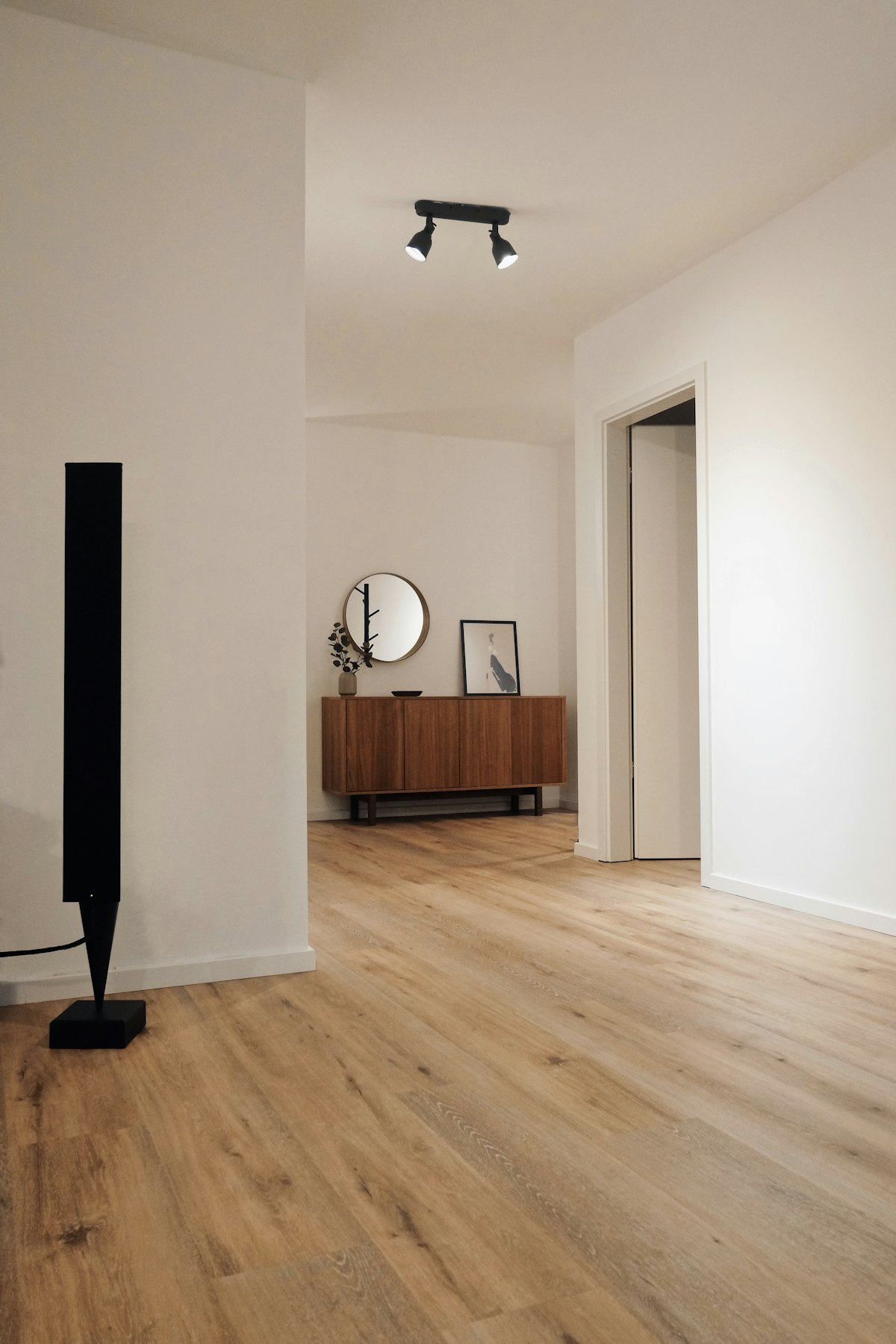
Renovating Property in Syria: Costs, Permits, and Tips for 2026
A practical guide to renovating property in Syria — covering realistic budgets, permit requirements, finding reliable contractors, and money-saving tips for 2026.
Renovation is one of the smartest strategies in Syrian real estate. Buying an older property at a lower price and renovating it can add 30-60% to its value — if done right. But renovation also carries risks: budget overruns, contractor issues, and permit complications. This guide covers everything you need to plan a successful renovation in Syria.
Why Renovate Instead of Buying New?
- Better locations: Older properties are often in established, central neighborhoods where new construction is rare
- Lower entry price: A property needing renovation can cost 30-40% less than a comparable move-in-ready home
- Customization: You control the design, materials, and layout — making it truly yours
- Investment upside: Well-renovated properties in good locations sell at significant premiums
Planning Your Renovation Budget
The biggest mistake renovators make is underestimating costs. Here's a realistic breakdown:
Light Renovation (تجديد خفيف)
Painting, flooring, fixture updates, minor kitchen/bathroom refresh. Expect to spend 10-15% of the property's current value.
Medium Renovation (تجديد متوسط)
Full kitchen and bathroom remodel, new electrical wiring, plumbing updates, new doors and windows. Budget 20-30% of property value.
Heavy Renovation (تجديد شامل)
Structural changes, layout modifications, complete infrastructure replacement, exterior work. Can reach 40-50% of property value. At this level, carefully compare the total cost (purchase + renovation) against buying a new property.
Golden rule: Add a 20% contingency buffer to whatever estimate you receive. Unexpected issues always arise once walls are opened.
Permits and Legal Requirements
Not all renovations require permits, but getting this wrong can be costly:
- No permit needed: Interior painting, flooring, fixture replacement, cabinet installation
- Permit required: Any structural changes (removing/adding walls), changing the building exterior, adding rooms or balcony enclosures, major plumbing or electrical rerouting
- Where to apply: Your local municipality (البلدية) handles renovation permits. You'll need architectural drawings from a licensed engineer for structural work.
- Timeframe: Permit approval typically takes 2-6 weeks depending on the municipality and scope of work.
Warning: Unpermitted structural work can result in fines, forced demolition of the changes, and complications when you later try to sell.
Finding Reliable Contractors
This is where most renovations succeed or fail:
- Get multiple quotes: Always get at least 3 detailed, written quotes. Be wary of estimates that are significantly lower than others — they usually mean corners will be cut.
- Check previous work: Ask to see completed projects. Better yet, talk to the contractor's previous clients.
- Written contracts: Never start work on a handshake. The contract should specify: scope of work, materials to be used, timeline, payment schedule, and warranty terms.
- Payment structure: Never pay more than 30% upfront. Structure payments in milestones tied to completed work stages.
- Supervise regularly: Visit the site at least twice a week. Problems caught early are cheap to fix; problems caught late are expensive.
Renovation Tips That Save Money
- Keep the same layout when possible: Moving plumbing and electrical is the most expensive part of any renovation. If the current layout works, keep it.
- Invest in kitchens and bathrooms: These two rooms have the highest return on renovation investment. A modern kitchen and clean bathrooms can transform a property's appeal.
- Don't over-renovate for the neighborhood: If you're in a mid-range area, a luxury renovation won't get you luxury prices. Match your renovation level to the neighborhood's ceiling price.
- Buy materials yourself: Contractors often mark up material costs. Buy tiles, fixtures, and paint yourself from wholesalers.
- Time it right: Construction labor is cheapest in winter when demand is lower. Plan your renovation for November-February if possible.
After the Renovation
Once complete, update the property's registration if any structural changes were made. Get a professional cleaning before moving in or listing for sale. And take photos — whether for your own records, insurance, or a future listing on AqaarGate, documentation of the renovated condition is valuable.