
Summer in Syria: Golden Coasts, Mountain Retreats & Why Rental Demand Explodes Every July
Syria's summer season is the most powerful force in its real estate rental market. From the golden sands of Tartous to Wadi Qandil's forest canopy and Umm al-Tuyour's clifftop views — discover why Syrian summers create extraordinary investment returns.
The Syrian Summer — A National Migration to the Coast
Every June, something remarkable happens across Syria: millions of families from Damascus, Aleppo, Homs, Hama, and the interior begin their annual migration to the coast. Hotels fill. Rental apartments in Latakia, Tartous, and every village between Ras al-Bassit and Banias are booked solid. Mountain chalets in Slunfeh, Kasab, and the Tartous highlands command premium weekly rates. This is the Syrian summer — and for real estate investors, it is the most important economic event of the year.
The Syrian Coastline — 180 Kilometres of Mediterranean Gold
Syria's Mediterranean coastline stretches 180 kilometres from the Turkish border in the north to the Lebanese border in the south. It is one of the most geographically dramatic coastlines in the eastern Mediterranean — the Alawite mountain range rises almost immediately from the shore, creating a narrow coastal strip of extraordinary scenic intensity. The sea is warm from June through October, the beaches range from grey-blue pebble to fine golden sand, and the water quality in less developed areas remains exceptional.
Tartous — The Golden Sands Capital
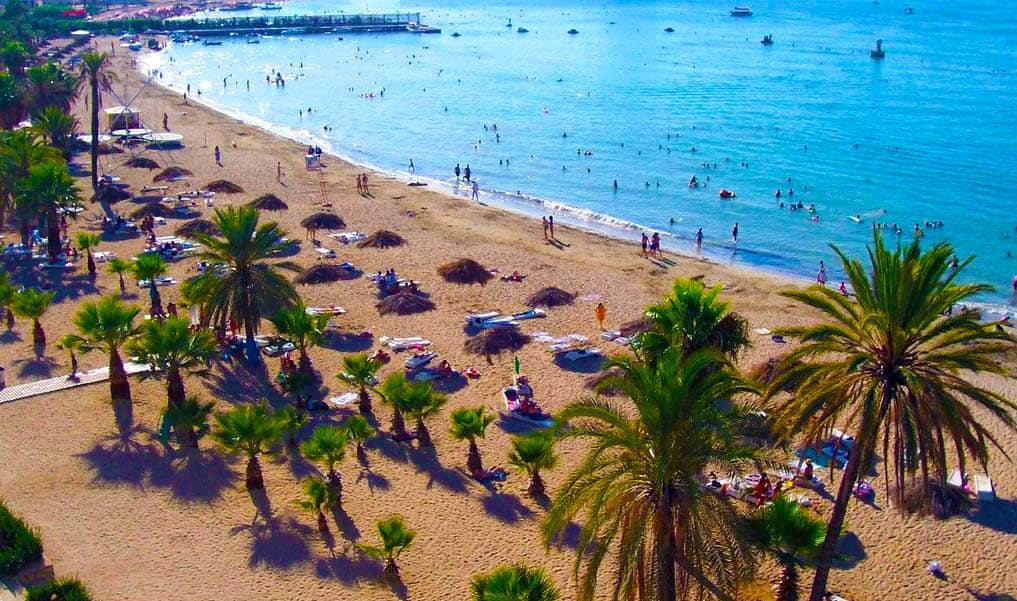
Tartous is home to Syria's most celebrated sandy beaches. The city's corniche and the beaches stretching north and south — Sharraa, Safra, and the long arc of sand near Banias — attract visitors from across Syria every summer. The Tartous coast is famous for its fine golden sand and relatively shallow, calm waters that make it ideal for families with children. Beachfront properties in Tartous and nearby Safra have historically generated the highest summer rental yields in Syria — apartments 100 metres from the beach can be rented weekly at rates that cover months of mortgage payments. The presence of Arwad Island just offshore — reachable by a short boat crossing — adds an additional tourist draw unique to Tartous.
Latakia — The Riviera of Syria
Latakia is Syria's premier resort city, combining a vibrant urban cosmopolitan atmosphere with direct beach access. The city's famous Blue Beach (Shaati al-Azraq) and the string of beach clubs and resorts stretching north toward Ras al-Bassit are the social centre of Syrian summer life. Latakia's summer season begins in May and runs through October — nearly half the year. For property owners, this extended season maximizes rental income opportunities. Studio apartments 200 metres from Latakia's beach rent for rates during July and August that approach European coastal resort pricing — exceptional yields given Syria's much lower purchase prices.
Ras al-Bassit — Where the Mountains Touch the Sea
At the northern tip of Syria's coast, Ras al-Bassit is perhaps the most dramatic coastal landscape in the country. Here, forested mountain spurs plunge almost vertically into the Mediterranean, creating a series of small coves and inlets of extraordinary beauty. The water is exceptionally clear and deep blue-green. A small fishing village has grown into Syria's most exclusive coastal resort, with private villas and boutique properties commanding the highest per-square-metre prices on the Syrian coast. The combination of mountain backdrop, crystal water, and relative seclusion makes Ras al-Bassit the aspirational address for Syrian coastal buyers.
Umm al-Tuyour — The Cliff Village Above the Sea
Umm al-Tuyour ("Mother of Birds") perches on the coastal cliffs north of Latakia, with breathtaking views over the Mediterranean from forested hillsides. This small village has become one of the most sought-after locations for summer chalets and holiday villas among Syrian families seeking a retreat that combines mountain freshness with sea proximity. Properties here sit at the intersection of two natural landscapes — forest above, sea below — and represent a category of real estate that simply does not exist in most countries. Demand consistently exceeds supply, and weekend rental rates during July and August rival those of Lebanon's Jounieh.
Wadi Qandil — The Forest Valley
Wadi Qandil in the Latakia mountains is one of Syria's most enchanting natural settings — a deep valley of dense oak, pine, and strawberry-tree forest with rushing streams and waterfalls. Summer temperatures here are 10–15°C cooler than coastal Latakia, making it the escape within the escape. A growing number of eco-chalets, stone guesthouses, and nature retreats have been developed in the valley, drawing visitors who want the mountains without sacrificing proximity to the sea. Investment in small-scale hospitality in Wadi Qandil represents one of Syria's most interesting emerging tourism real estate opportunities.
The Coastal Mountain Resorts — Slunfeh, Kasab & Beyond
Syria's coastal mountain resorts form a chain of summer destinations along the Alawite range:
- Slunfeh at 1,200m: Syria's coolest summer resort, famous apple orchards, dense pine forest, consistent family demand
- Kasab: Armenian village at 1,000m, forest walks, panoramic sea views, strong diaspora buyer community
- Haffa: Mid-altitude town with stunning views over the Jableh plain to the sea, increasingly popular with Homs and Damascus families
- Qardaha area: Mountain villages with cool summers and traditional stone architecture
- Al-Haffeh Nature Reserve: Syria's largest protected forest area, centred on ancient cedar trees, attracting eco-tourism development
How the Syrian Summer Drives Real Estate Returns
The mathematics of Syrian summer rental income are compelling for property investors:
- Peak season concentration: July and August see rental demand that can represent 40–60% of annual rental income in coastal properties
- Diaspora rental market: Millions of Syrians living in Germany, Sweden, the UAE, Saudi Arabia, and across the world return to Syria for summer — many renting rather than owning, creating a large, affluent demand pool
- Domestic migration: Syrians from the hot interior (Damascus, Aleppo, Homs, Deir ez-Zur) actively seek coastal and mountain accommodation for 2–8 week stays
- Regional visitors: Lebanese, Jordanian, and Gulf visitors increasingly include the Syrian coast in regional summer itineraries
- Supply constraints: The total stock of quality holiday properties on the Syrian coast is limited — new development has been minimal — meaning demand consistently presses against supply
Investment Strategy for the Syrian Summer Market
For investors targeting the rental income opportunity:
- Beachfront Tartous: Highest yield per square metre, family market, long season May–October
- North Latakia (Ras al-Bassit corridor): Premium market, limited supply, highest absolute rental rates
- Umm al-Tuyour / cliff villages: Boutique market, unique positioning, strong diaspora demand
- Slunfeh chalets: Family market, cool summer niche, consistent domestic demand from Homs and coastal families
- Wadi Qandil eco-retreats: Emerging segment, lower competition, growing eco-tourism demand
Syria in Summer — A Way of Life Worth Investing In
The Syrian summer is more than a season — it is a cultural institution. The evening walks along the Latakia corniche, the barbecues on Tartous beach, the apple-picking in Slunfeh orchards, the dawn swims in Ras al-Bassit coves — these experiences draw Syrians home from across the world year after year. For real estate investors, this emotional pull represents the most durable guarantee of sustained demand: people will always come back to Syria in summer, because Syria in summer is unforgettable.
Browse coastal and mountain holiday properties across Syria on AqaarGate — transparent pricing, verified listings, no commission points.