
Syria's Tourism Renaissance: How Ancient Wonders Are Driving Real Estate Growth
From the rose-red ruins of Palmyra to the ancient souks of Damascus, Syria's unmatched tourism heritage is creating powerful real estate opportunities across the country.
Syria — Where History Meets Opportunity
Syria is one of the world's oldest continuously inhabited countries, home to civilizations that shaped human history. As the country enters a new era of reconstruction and openness, its extraordinary tourism assets are attracting the attention of international investors, diaspora buyers, and regional visitors alike — and with that attention comes a powerful surge in real estate demand.
Palmyra — The Pearl of the Desert
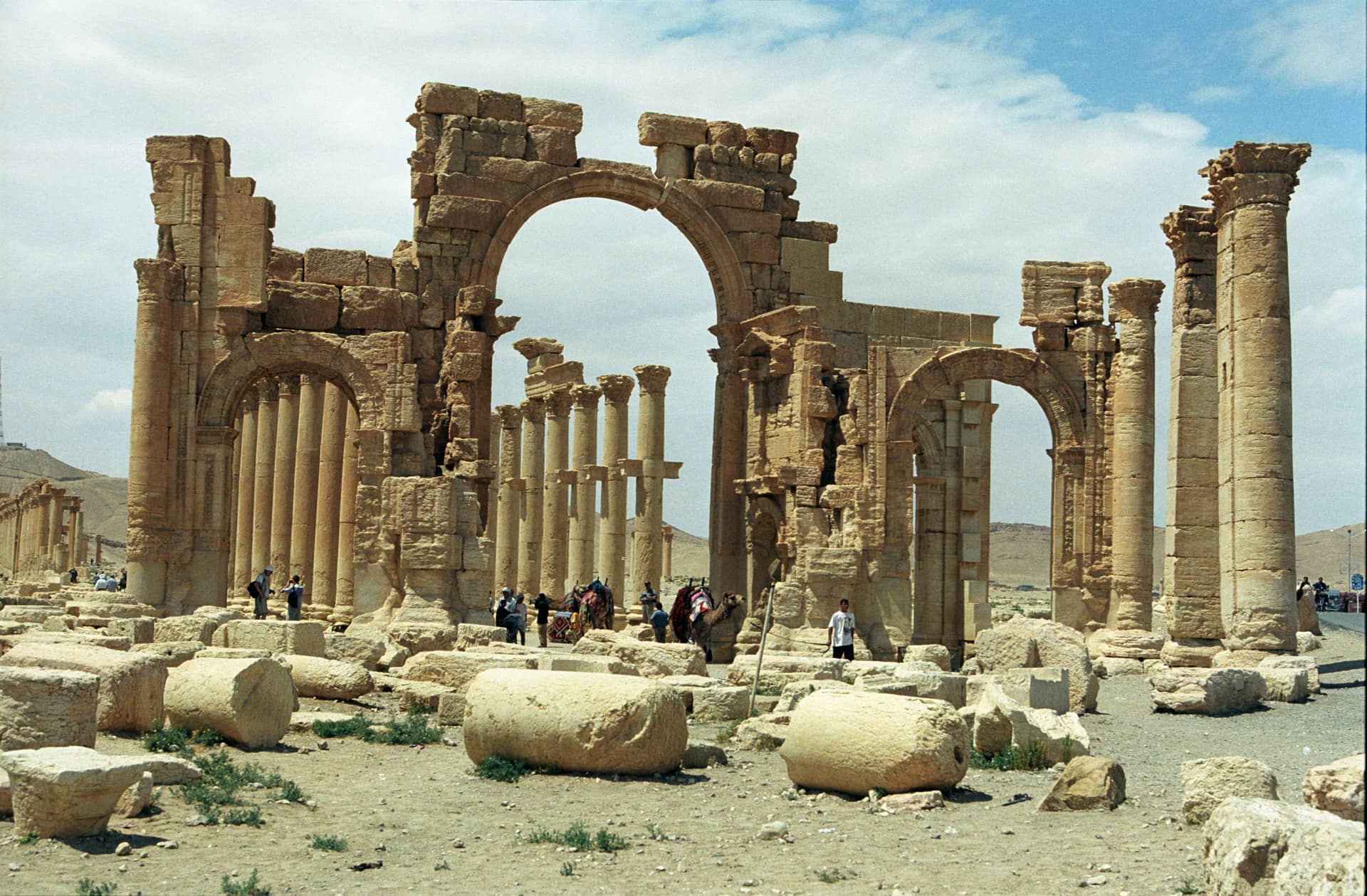
Perhaps no site better symbolizes Syria's enduring spirit than Palmyra (Tadmur), the ancient Aramaic city rising from the Syrian desert. Once a vital stop on the Silk Road, Palmyra's colonnaded streets, the Temple of Bel, the Valley of Tombs, and the towering Arch of Triumph draw visitors from every corner of the world. The surrounding region has seen growing interest in eco-tourism investments, desert retreats, and heritage hotels — making Palmyra province one of the most watched real estate markets in Syria today.
Damascus — The World's Oldest Living Capital
Damascus, continuously inhabited for over 11,000 years, is a UNESCO World Heritage city and Syria's beating heart. Its ancient walled Old City contains the Umayyad Mosque — one of the most magnificent Islamic monuments on earth — the Street Called Straight mentioned in the Bible, the Azm Palace, and labyrinthine souks overflowing with silk, spices, and craftsmanship. Neighborhoods like al-Midan, Bab Touma, and Sarouja are seeing renewed interest from buyers seeking heritage properties and boutique investment opportunities. The diversity of Damascus — Christian quarters, Islamic architecture, Armenian heritage, and Ottoman mansions — makes it unlike any capital on earth.
Aleppo — The Merchant City Reborn
Aleppo (Halab), Syria's second city and commercial capital, is one of the oldest cities in the world. Its Great Mosque, the ancient citadel perched on a dramatic hilltop, and its covered souks — the longest in the world — are now at the center of a major restoration drive. Aleppo's rich Armenian, Kurdish, Arab, and Syriac heritage creates a cultural mosaic unmatched in the region. Property investors are watching Aleppo closely: reconstruction-era pricing, combined with the city's strategic location and commercial DNA, creates exceptional upside for early buyers.
Latakia — The Syrian Riviera
Latakia is Syria's premier coastal city, blessed with a mild Mediterranean climate, golden beaches, and a relaxed cosmopolitan atmosphere. Tourism in Latakia centers on its beautiful coastline stretching toward Ras al-Bassit in the north, the Ugarit archaeological site (where the world's first alphabet was discovered), and the surrounding mountains. The city's real estate market has historically been among Syria's most stable and liquid, driven by consistent domestic tourism, diaspora summer visits, and proximity to nature. Beachfront apartments, mountain chalets, and coastal villas in the Latakia region remain among the most sought-after properties in Syria.
Hama — City of the Norias
Hama is famous worldwide for its ancient norias — giant wooden waterwheels that have groaned and turned on the Orontes River for over a thousand years. These iconic wheels, some dating back to the Byzantine era, are surrounded by lush gardens and promenades that draw visitors year-round. Hama also serves as the gateway to the legendary Krak des Chevaliers — considered the finest preserved Crusader castle in the world and a UNESCO World Heritage Site. Tourism infrastructure investments around both attractions offer compelling opportunities for hospitality and real estate developers.
Tartous & Arwad Island
Tartous, Syria's second coastal city, sits across from Arwad Island — the only inhabited island on the Syrian coast and one of the oldest continuously inhabited islands in the world. Phoenician walls, a medieval castle, and traditional fishing culture make Arwad a unique heritage destination. Tartous itself offers an affordable Mediterranean lifestyle, making it increasingly attractive to buyers priced out of Latakia. Its real estate market offers strong rental yields driven by summer tourism and growing year-round residency.
Bosra — The Roman Theatre in the Desert
In southern Syria, Bosra contains one of the best-preserved Roman theatres in the world, still used for concerts and cultural events. The entire old city is a UNESCO World Heritage Site. Along with the nearby Hauran volcanic plains and the city of Daraa, this region offers heritage tourism combined with agricultural land investment at accessible price points.
Maalula — Where Jesus Spoke
Maalula, nestled in the Anti-Lebanon mountains near Damascus, is one of the very few places on earth where Aramaic — the language of Jesus Christ — is still spoken as a living tongue. Its rock-cut churches, painted caves, and the ancient monastery of Mar Sarkis draw pilgrims and cultural tourists from across the world. Mountain properties in Maalula and the surrounding region are prized by diaspora Syrians and international buyers seeking connection to the world's oldest Christian heritage sites.
Syria's Climate — A Year-Round Destination
Syria's geography creates extraordinary climate diversity within a compact country. The Mediterranean coast enjoys warm, dry summers and mild, rainy winters — perfect for year-round tourism. The interior plains experience four distinct seasons. The mountains receive snow in winter, making them a skiing and hiking destination. The desert east is warm and dry, ideal for archaeological expeditions. This climate diversity means Syrian properties serve tourism in every season — something few countries in the region can offer.
Why Tourism Drives Real Estate in Syria
The relationship between Syria's tourism potential and its real estate market is direct and powerful:
- Heritage hotels & boutique guesthouses in Old Damascus and Aleppo are among the highest-yielding hospitality investments in the Arab world
- Coastal holiday homes in Latakia and Tartous generate consistent summer rental income from domestic tourism
- Mountain retreats near Maalula, Bludan, and Safita attract diaspora buyers seeking cultural connection and summer escapes
- Archaeological zone development around Palmyra, Bosra, and Ugarit creates demand for eco-lodges, visitor facilities, and support infrastructure
- International interest from Europeans, Gulf nationals, and the global Syrian diaspora is growing as travel becomes easier
The Bottom Line for Investors
Syria sits at the crossroads of three continents and carries the cultural weight of ten thousand years of human civilization. As tourism infrastructure is restored and access improves, properties near heritage sites, coastal resorts, and cultural cities will see the strongest appreciation. The window to acquire at reconstruction-era prices is open now — for those willing to look beyond the headlines and see what Syria has always been: one of the most extraordinary places on earth.
Browse verified properties across Syria's most beautiful cities on AqaarGate — Syria's #1 real estate platform.